The PPA market is making a comeback: hybrid project combines solar, wind and battery storage
The market for long-term electricity supply contracts, known as Power Purchase Agreements (PPAs), is gaining momentum once again.
Projects that combine renewable energy with storage solutions – and can therefore provide a more predictable electricity supply – are in particularly high demand.
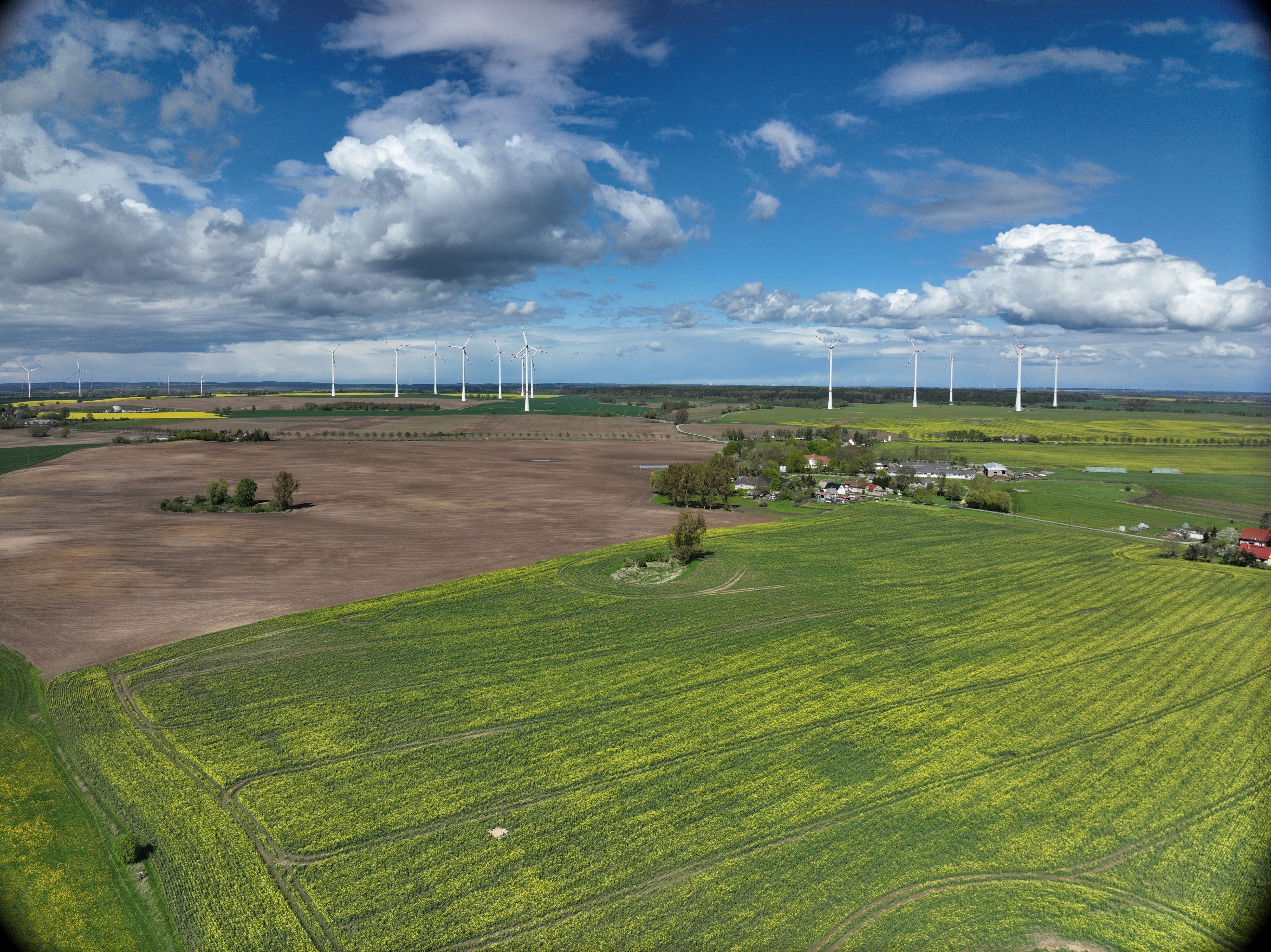
One example of this is the Friedrichshof hybrid project in Mecklenburg-Western Pomerania. A photovoltaic plant with a capacity of around 37 megawatts peak is being built on a site covering more than 30 hectares. It is supplemented by wind power and a battery storage system with a storage duration of two hours.
Predictable electricity supply rather than solar generation alone
The project is based on a so-called ‘Pay as Nominated’ model. Unlike the traditional ‘Pay as Produced’ approach, this model does not pay solely for the amount of solar power actually generated. Instead, the operator undertakes to adhere to a pre-determined electricity schedule.
The battery storage system plays a key role in this. It can store solar power temporarily and feed it back into the grid at agreed times.
This makes it easier to plan electricity supply, even when the solar panel system is producing less electricity due to weather conditions or the time of day.
The electricity is purchased by DB Energie. This provides the company with a more predictable supply, whilst the operator of the hybrid project gains additional marketing opportunities. According to the analysis published in pv magazine, the battery storage system can contribute a significant proportion of the project’s revenue – in some cases, up to 40 per cent.
Battery storage is becoming a key component of PPAs
The use of storage systems is also a response to the increasing so-called ‘cannibalisation’ of solar power revenues.
When many solar power systems generate electricity at the same time, prices often fall, particularly during the sunniest hours.
A battery storage system makes it possible to decouple generation from supply. As a result, hybrid projects are becoming a key component in the expansion of renewable energy without the need for subsidies. They combine photovoltaic and wind energy with flexibility and enable electricity supplies that are better tailored to consumers’ needs.
It is expected that PPAs with integrated storage will continue to grow in importance in the coming years.
At the same time, there remains a need for standardised marketing models and clear ‘route-to-market’ strategies for large-scale renewable energy projects.
You can find the full article in the latest issue of pv magazine:
Jetzt wird entschieden - 03/2026 - pv magazine Deutschland